
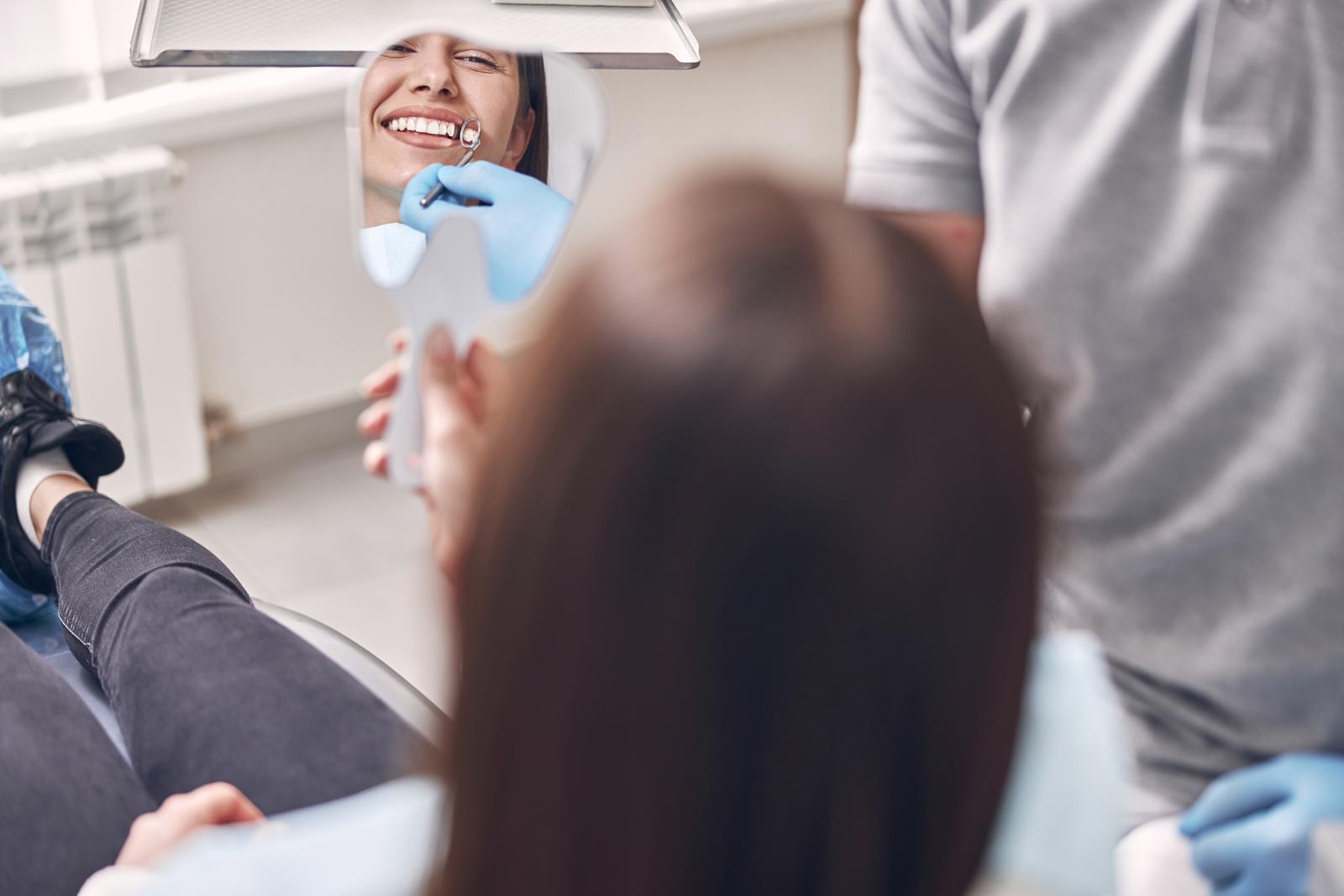
Dental health is not only crucial for a beautiful smile, but also for overall well-being. By maintaining optimal oral hygiene and seeking necessary treatments, individuals can enhance their quality of life and reduce the risk of various dental problems. From basic hygiene routines to advanced dental procedures, there is a wide array of treatments available to achieve ideal oral health. In this blog post, we will delve into the power of dental treatments and explore their significance in maintaining a healthy mouth.
Establishing a strong dental hygiene routine forms the foundation for good oral health. Regular brushing, flossing, and using mouthwash actively remove harmful bacteria and prevent the development of plaque and tartar. Additionally, dental check-ups every six months allow dentists to detect early signs of cavities, gum disease, or other issues, enabling prompt treatment and prevention of further complications.
While basic hygiene practices are essential, dental treatments go beyond preventive care. Cosmetic dentistry offers procedures like teeth whitening, veneers, and bonding, allowing individuals to enhance the appearance of their smiles. These treatments not only boost confidence but also correct dental imperfections, such as discoloration or chipped teeth.
Dental anxiety is a common issue that prevents many individuals from seeking necessary dental treatments. However, with the advent of sedation techniques and a compassionate approach from dental professionals, anxiety can be effectively managed, ensuring a stress-free and comfortable dental experience.
Advancements in orthodontic treatments offer a variety of options to achieve a perfectly aligned smile. From traditional braces to invisible aligners, individuals can choose the most suitable method for straightening their teeth, improving both aesthetics and functionality.
Understanding the Importance of a Healthy Smile
Having a healthy smile goes beyond just the aesthetics of having straight, white teeth. It plays a crucial role in maintaining overall oral health and well-being. Your smile is one of the first things others notice about you, and it can significantly boost your self-confidence.
When your teeth and gums are in good health, it allows you to speak, chew, and eat properly. The initial step towards achieving a healthy smile starts with establishing a robust dental hygiene routine. Regular brushing, flossing, and using mouthwash helps remove plaque and bacteria that can lead to cavities, gum disease, and bad breath.
Preventing oral health issues is not the only reason for a healthy smile. Studies have shown that there is a direct correlation between oral health and overall health. Poor oral hygiene can increase the risk of developing various systemic conditions, such as heart disease, diabetes, and respiratory infections. A healthy smile indicates good oral health, and it can serve as a measure of your overall well-being.
Beyond oral health, a healthy smile can also have a positive impact on your mental and emotional well-being. It can significantly enhance your self-esteem and self-image, allowing you to feel more confident in social and professional settings. When you are proud of your smile, you are more likely to smile freely, which can improve your interactions with others and positively influence your relationships.
A healthy smile can contribute to a more youthful appearance. As we age, our teeth may become discolored, worn, or damaged. However, with proper oral care and professional dental treatments, such as teeth whitening, veneers, or dental implants, you can restore and rejuvenate your smile, making you appear more vibrant and youthful.
Understanding the importance of a healthy smile extends beyond mere aesthetics. It is an essential aspect of maintaining good oral health, overall well-being, and self-confidence. By incorporating proper dental hygiene practices and seeking professional dental care with Molar House dental clinic, you can ensure that your smile remains radiant and healthy for years to come.
The Basics: Establishing a Strong Dental Hygiene Routine
Proper dental hygiene is the foundation of a healthy smile and overall well-being. It is essential to establish a strong dental hygiene routine to maintain optimal oral health. Regular brushing, flossing, and rinsing are key components of this routine. By incorporating these habits into your daily life, you can prevent a multitude of dental problems.
One of the simplest yet most effective steps in dental hygiene is brushing your teeth at least twice a day. Brushing removes plaque, food particles, and bacteria from the surfaces of your teeth and gums. It is crucial to use a soft-bristled toothbrush and fluoride toothpaste to gently clean your teeth.
In addition to brushing, flossing plays a vital role in maintaining oral health. Flossing helps remove plaque and debris from areas that your toothbrush cannot reach, such as between the teeth and along the gum line. It is recommended to floss at least once a day, preferably before bedtime.
Mouthwash or an antimicrobial rinse is another valuable tool that can enhance your dental hygiene routine. It not only freshens your breath but also helps kill bacteria and reduce the risk of gum disease. Rinsing with a fluoride mouthwash can also strengthen tooth enamel and prevent tooth decay.
While individual habits are crucial, regular dental check-ups should also be a part of your routine. Professional cleanings and examinations by a dentist or dental hygienist are essential for maintaining optimal oral health. They can detect any existing issues, such as cavities or gum disease, and provide necessary treatments before they worsen.
In addition to these basic practices, maintaining a healthy diet is crucial for your teeth and gums. Limit sugary and acidic foods and drinks, as they can erode tooth enamel and lead to decay. Instead, opt for a balanced diet that includes plenty of fruits, vegetables, and calcium-rich foods.
Establishing a strong dental hygiene routine is essential for preventing dental problems and maintaining a healthy smile. By following these basic steps of brushing, flossing, rinsing, regular check-ups, and maintaining a balanced diet, you can enjoy optimal oral health and overall well-being.
Addressing Common Dental Concerns: Cavities and Tooth Decay
Cavities and tooth decay are among the most common dental concerns that affect people of all ages. These dental problems occur when the protective layer of the tooth, known as the enamel, gets damaged due to a combination of factors, including poor oral hygiene, sugary diets, and the presence of harmful bacteria in the mouth.
The development of cavities often starts with the accumulation of plaque on the teeth, a sticky film containing bacteria. When left untreated, plaque interacts with the sugars in food and produces acids that gradually erode the enamel, leading to cavities. Early signs of cavities may include tooth sensitivity, pain, or visible holes in the affected teeth.
To prevent cavities and tooth decay, it is crucial to maintain a proper oral hygiene routine. Brushing your teeth at least twice a day using fluoride toothpaste helps remove plaque and strengthen the tooth enamel. It is also essential to floss daily to reach areas between the teeth that a toothbrush may miss.
In addition to regular home care, regular dental check-ups and professional cleanings are vital for addressing common dental concerns like cavities and tooth decay. During these visits, a dentist or dental hygienist will thoroughly clean your teeth, removing plaque and tartar buildup, which can help prevent cavities and identify any early signs of decay.
When cavities are detected, a dentist may recommend treatments such as dental fillings or dental crowns, depending on the severity and location of the decay. Dental fillings involve removing the decayed portion of the tooth and filling the space with a durable material like composite resin or amalgam. Dental crowns, on the other hand, are used when extensive damage occurs, and a tooth needs additional protection.
Maintaining good oral hygiene practices, along with regular dental visits, is the key to addressing common dental concerns like cavities and tooth decay. By preventing cavities and addressing decay at an early stage, you can protect your overall oral health and maintain a beautiful smile for years to come.
Exploring the Benefits of Regular Dental Check-ups
Regular dental check-ups are essential for maintaining optimal oral health. These routine visits to the dentist play a crucial role in preventing potential dental issues and addressing existing problems before they worsen.
One of the primary benefits of regular dental check-ups is the early detection of dental problems. Dentists thoroughly examine your teeth, gums, and mouth for any signs of cavities, gum disease, or oral cancer. Detecting these issues in their early stages allows for timely intervention and potentially less invasive treatments.
Dental check-ups provide an opportunity for professional cleaning and plaque removal. Even with diligent brushing and flossing at home, it’s common for plaque and tartar to build up in hard-to-reach areas. Dental professionals have the necessary tools and expertise to remove these deposits, reducing the risk of tooth decay and gum disease.
Regular check-ups also involve assessing the overall health of your oral structures. Dentists examine your bite alignment, jaw joint health, and the condition of existing dental restorations like fillings or crowns. This evaluation ensures that your teeth are functioning properly and any previous dental work is in good condition.
Another significant benefit of regular dental check-ups is the opportunity for oral health education. Dentists and dental hygienists can provide personalized advice on maintaining proper oral hygiene, including techniques for brushing and flossing, dietary recommendations, and the use of additional preventive measures like mouthwash or dental sealants.
Regular dental visits contribute to a brighter smile. Dentists can perform professional teeth whitening treatments during check-ups, enhancing the appearance of your teeth and boosting your confidence in your smile.
Not only do regular dental check-ups promote oral health, but they also have implications for general well-being. Research has suggested a potential link between oral health and systemic conditions such as cardiovascular disease and diabetes. By monitoring your oral health during routine check-ups, dentists can potentially identify early warning signs of these conditions and refer you to the appropriate healthcare professionals for further evaluation and treatment.
Regular dental check-ups offer a range of important benefits. From detecting and preventing dental problems to receiving professional cleaning and education, these visits are an integral part of maintaining optimal oral health and overall well-being.
Restoring and Enhancing Smiles with Cosmetic Dentistry
Cosmetic dentistry is a specialized branch of dental care that focuses on enhancing the appearance of teeth and smiles. It offers various procedures and treatments to restore and improve the overall aesthetics of one’s smile, resulting in increased confidence and self-esteem.
One of the most common cosmetic dentistry procedures is teeth whitening, which can effectively remove stains and discoloration caused by factors like aging, consuming dark-colored foods and beverages, or smoking. Through professional whitening treatments, patients can achieve a brighter and more youthful smile.
Another popular cosmetic dentistry option is dental veneers. These are thin shells made of porcelain or composite resin, which are custom-made to fit over the front surface of the teeth. Veneers can correct a wide range of imperfections, including chipped or cracked teeth, uneven spacing, and misalignment. They provide a natural-looking and durable solution for achieving a flawless smile.
In some cases, individuals may have missing teeth, affecting both their appearance and oral functionality. Cosmetic dentistry offers multiple solutions to address this issue, such as dental implants, bridges, and dentures. These restorative options not only fill the gaps but also provide support and stability for surrounding teeth.
Cosmetic dentistry also encompasses procedures like dental bonding and gum reshaping. Dental bonding involves the application of a tooth-colored composite resin to correct minor imperfections like chips, cracks, or gaps. On the other hand, gum reshaping, also known as gum contouring, can effectively shape and sculpt the gum line, enhancing the overall appearance and symmetry of the smile.
For individuals seeking a complete smile transformation, orthodontic treatments such as braces or clear aligners like Invisalign can be utilized. These methods gradually straighten misaligned teeth, resulting in a harmonious and balanced smile. Orthodontic treatment not only improves aesthetics but also promotes better oral health, as properly aligned teeth are easier to clean and maintain.
When considering cosmetic dentistry, it is crucial to consult with a qualified and experienced dentist. They will conduct a comprehensive examination to determine the most suitable treatment options based on individual needs and goals. A beautiful smile can have a significant impact on one’s overall well-being, and cosmetic dentistry provides the means to achieve it.
Overcoming Dental Anxiety: Effective Techniques for a Stress-free Visit
For many individuals, visiting the dentist can be a source of anxiety and fear. However, it is important to prioritize your oral health and overcome these anxieties to ensure regular dental visits. There are several effective techniques that can help you have a stress-free experience at the dentist’s office.
One of the key techniques to overcome dental anxiety is communication. It is vital to have an open and honest discussion with your dentist about your fears and concerns. This will allow them to tailor the treatment approach to your specific needs and offer reassurance throughout the process.
Another technique that can help reduce anxiety is deep breathing exercises. By practicing slow, deep breaths before and during your dental visit, you can induce relaxation and calm your nerves. This can be especially helpful during procedures that may cause discomfort or anxiety.
Distraction techniques can also be effective in diverting your attention away from dental procedures. Many dental offices offer amenities such as televisions or music to help you relax and take your mind off the treatment. You can also bring headphones and listen to your favorite music or podcasts to create a more soothing environment for yourself.
Some individuals find it beneficial to visualize positive outcomes during their dental visits. By imagining a successful and comfortable experience, you can alleviate some of the anxiety associated with dental procedures. Positive visualization can help create a more relaxed mindset and make the visit more bearable.
Additionally, seeking support from a trusted friend or family member can provide a sense of comfort and reassurance. Having someone accompany you to your dental appointments can provide emotional support and make the experience less daunting.
In more severe cases of dental anxiety, dentists may offer sedation options to help patients relax during the procedures. Techniques such as nitrous oxide (laughing gas) or oral sedation can be utilized to reduce anxiety and promote a more enjoyable dental visit.
It is essential to address dental anxiety so that you can maintain optimal oral health. By implementing these techniques and working closely with your dentist, you can overcome your fears and have a stress-free dental experience.
Beyond Aesthetics: Learning about the Link between Oral Health and Overall Well-being
When it comes to maintaining good health, we often overlook the significance of oral health. However, research has shown that there is a strong connection between the health of our mouths and our overall well-being.
Oral health issues such as gum disease and tooth decay have been linked to various systemic conditions, including heart disease, diabetes, and even respiratory problems. Maintaining an optimal level of oral hygiene can help reduce the risk of developing these health conditions and contribute to an overall healthier lifestyle.
Proper oral hygiene practices, including regular brushing, flossing, and dental check-ups, play a crucial role in preventing oral health problems. Dental professionals can identify early signs of gum disease or tooth decay and provide prompt treatment, preventing these conditions from worsening and potentially affecting other areas of the body.
In addition to preventing health issues, good oral hygiene practices can also positively impact our mental well-being. Taking care of our teeth and gums reduces the risk of bad breath, which can significantly impact our confidence and self-esteem. A healthy smile boosts our self-image and allows us to interact more confidently in social and professional settings.
The benefits of maintaining good oral health extend beyond physical and mental well-being. By preventing dental problems, we can also save ourselves from potentially significant financial costs associated with extensive dental treatments. Routine dental check-ups, cleanings, and early intervention can help avoid expensive procedures such as root canals or dental implants.
Another aspect closely tied to oral health and overall well-being is the impact it has on our diet and nutrition. Oral health issues can impede our ability to chew and properly digest food, leading to nutritional deficiencies. By taking care of our oral hygiene, we can ensure that we can enjoy a diverse and nutritious diet, promoting better nutrition and overall vitality.
Recognizing and understanding the intricate connection between our oral health and overall well-being is essential for leading a healthy and fulfilling life. Maintaining good oral hygiene practices not only prevents oral health issues but also contributes to improved physical health, mental well-being, and financial savings. By prioritizing our oral health, we can embrace a holistic approach to our well-being and enjoy the numerous benefits it offers.
The Art of Teeth Straightening: Options for a Perfectly Aligned Smile
Having a perfectly aligned smile is not only aesthetically pleasing but also essential for optimal oral health. If you’re looking to straighten your teeth, there are several treatment options available to help you achieve that desired smile.
One of the most popular methods of teeth straightening is traditional braces. These consist of metal brackets and wires that apply gentle pressure to gradually move your teeth into the desired position. Braces are highly effective and can address even severe misalignments.
For those who prefer a more discreet option, there are clear aligners. These are custom-made, removable trays that are virtually invisible when worn. Clear aligners offer the flexibility to eat and drink comfortably, and they can be easily removed for oral hygiene practices. They are a popular choice for adults and teenagers who want a more convenient teeth straightening solution.
In recent years, there has been a rise in popularity of lingual braces. These braces are similar to traditional braces but are placed on the backside of your teeth, making them virtually invisible to others. Lingual braces are an excellent choice for individuals who want a highly effective treatment while maintaining a natural-looking smile.
Another option for achieving an aligned smile is porcelain veneers. Although veneers are primarily used to enhance the appearance of teeth, they can also help in correcting minor misalignments. Veneers are thin, custom-made shells that are bonded to the front surface of the teeth, giving the appearance of a straighter smile.
If you have only slight misalignments or gaps, dental bonding or contouring may be suitable for you. Dental bonding involves applying tooth-colored resin material to reshape or fill gaps, while dental contouring involves removing small amounts of tooth enamel to create a proper alignment.
It’s important to consult with a qualified dentist or orthodontist to determine the best teeth straightening option for your specific needs. They will consider the severity of misalignment, your oral health, and your personal preferences to provide you with the most suitable treatment plan.
A perfectly aligned smile goes beyond appearance – it can also improve your bite, make oral hygiene easier, and boost your confidence. Don’t hesitate to explore the different teeth straightening options available to help you achieve that ideal smile.
Unveiling the Secrets of Dental Implants: A Permanent Solution for Missing Teeth
Having a complete set of teeth contributes not only to a confident smile but also to overall oral health. When it comes to replacing missing teeth, dental implants have gained significant popularity in recent years. Unlike traditional dentures or bridges, dental implants provide a permanent and durable solution.
Dental implants are artificial tooth roots made of titanium that are surgically placed into the jawbone. This procedure allows the implants to fuse with the bone, providing a stable foundation for replacement teeth. The end result is a natural-looking and functional smile that can improve chewing efficiency and enhance speech.
One of the greatest advantages of dental implants is their long-term durability. With proper care and maintenance, implants can last a lifetime, making them a valuable investment in oral health. Unlike some removable dentures or bridges, dental implants eliminate the need for messy adhesives or frequent replacements.
Dental implants offer more than just aesthetic benefits. When a tooth is lost, the underlying jawbone can begin to deteriorate. Dental implants mimic the natural tooth root, stimulating the bone to prevent bone loss and maintain the facial structure. This not only ensures a more youthful appearance but also promotes overall oral health.
Another remarkable benefit of dental implants is their ability to preserve neighboring healthy teeth. Unlike traditional dental bridges, which rely on adjacent teeth for anchorage, implants do not require any modification of the surrounding teeth. This means that the natural teeth are preserved, and their integrity and strength remain intact.
It is important to note that dental implant procedures require a thorough evaluation by a dental professional. The dentist will assess the patient’s oral health, bone density, and overall suitability for the procedure. In some cases, bone grafting or other preparatory treatments may be necessary to ensure the success of dental implants.
For those seeking a permanent solution to missing teeth, dental implants offer a reliable and long-lasting option. While they may require a larger upfront investment compared to other tooth replacement options, their numerous advantages make them well worth considering. By unveiling the secrets of dental implants, individuals can achieve a complete and confident smile while enjoying improved oral health for years to come.
The Future of Dentistry: Innovations and Advancements in Oral Healthcare
Dentistry has come a long way over the years, constantly evolving to provide better oral healthcare solutions for patients. As technology continues to advance, the future of dentistry holds great promise for innovative treatments and procedures that will revolutionize oral healthcare.
One of the most exciting advancements in dentistry is the use of 3D printing technology. This technology allows dentists to create precise and custom-made dental prosthetics, such as crowns, bridges, and dentures. With 3D printing, dental restorations can be produced quickly and accurately, leading to faster treatment times and improved patient outcomes.
Another area of innovation in dentistry is the development of robotic-assisted dental procedures. Robots can assist dentists in performing complex procedures with increased precision and accuracy. This technology allows for minimally invasive surgeries, reducing patient discomfort and promoting faster healing.
Advancements in dental materials are also shaping the future of dentistry. Researchers are constantly exploring new materials that are biocompatible, long-lasting, and aesthetically pleasing. These materials, such as ceramic and composite resins, offer improved durability and natural-looking results, ensuring that dental restorations seamlessly blend with natural teeth.
Digital dentistry is another exciting field that is transforming the way dental care is delivered. Digital imaging and scanning technologies enable dentists to capture detailed images of the oral cavity, aiding in accurate diagnoses and treatment planning. Additionally, computer-aided design and manufacturing (CAD/CAM) systems allow for the creation of precisely fitted dental restorations in a shorter timeframe.
Tele-dentistry, or remote dental care, is also gaining momentum in the future of dentistry. This technology allows for virtual consultations and diagnoses, bringing convenient dental care to patients in remote areas or those with limited mobility. Tele-dentistry has the potential to improve access to dental care and enhance patient outcomes.
The future of dentistry includes advancements in regenerative dentistry, aiming to restore damaged or lost oral tissues. Stem cell research and tissue engineering techniques hold promise for regrowing teeth and repairing damaged gum tissues, presenting a revolutionary approach to dental treatment.
The future of dentistry is bright with the continuous advancements and innovations being made in oral healthcare. From 3D printing and robotic-assisted procedures to digital dentistry and regenerative therapies, these advancements offer patients more precise, efficient, and personalized dental care. Embracing these innovations will undoubtedly lead to improved oral health outcomes for individuals of all ages.
Conclusion
In this blog post, we have explored the power of dental treatments in achieving ideal oral health. By understanding the importance of a healthy smile, establishing a strong dental hygiene routine, and addressing common dental concerns like cavities and tooth decay, we can lay the foundation for optimal oral well-being.
Regular dental check-ups play a vital role in preventing and detecting oral health issues at an early stage, allowing for prompt treatment and intervention. Additionally, we have delved into the benefits of cosmetic dentistry, which not only restores and enhances smiles but also boosts self-confidence and overall quality of life.
For those struggling with dental anxiety, effective techniques have been discussed to ensure stress-free visits to the dentist. The art of teeth straightening offers numerous options for achieving a perfectly aligned smile, improving both aesthetics and functionality.
We have learned that oral health goes beyond aesthetics, as it is closely linked to our overall well-being. Taking care of our teeth and gums can have positive effects on our systemic health, preventing various diseases and promoting a healthier lifestyle.
Dental implants have been revealed as a permanent solution for missing teeth, providing functionality, stability, and a natural appearance. Lastly, we have glimpsed into the future of dentistry, with ongoing innovations and advancements that promise improved oral healthcare outcomes for individuals worldwide.
By recognizing the power of dental treatments and incorporating them into our oral care routines, we can achieve and maintain ideal oral health, leading to a happier, healthier, and more confident life.